
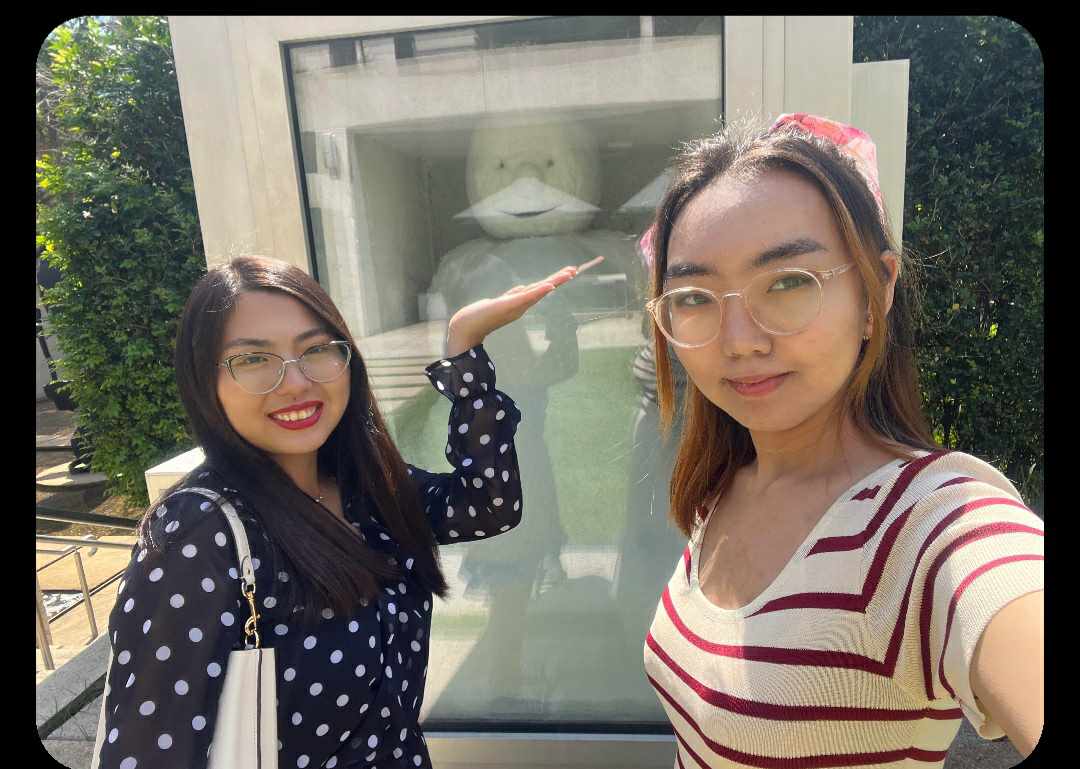
Nomin is one of two students joining us as part of her Placement for her Masters in Global Public Health at Griffith University on the Gold Coast in Queensland. Nomin will be working with us for the next few months to expand our Queensland research and understanding of the community’s experience and perceptions of heat across the state.
Nomin has shared her Summer Story with us as an international student living in Australia, describing the heat as “relentless” as she notices its impacts “reverberating through the community”. Nomin is passionate about the intersection between public health and urban planning, and argues that empowering individuals around extreme heat action is critical – read on for her story!
“As an international student from a country where the coldest winter temperatures can plummet to a bone-chilling -30 degrees Celsius, the shift to Australia’s scorching summers has been a dramatic adjustment. My experience with heatwaves here has been eye-opening, revealing extreme temperatures’ profound impact on individuals and communities.”

“Personally, the heat affects me in ways I hadn’t anticipated. In my home country, summer is a time of warmth and leisure, but here in Australia, it often feels like a relentless assault. Simple activities like walking to class or studying in my room become challenging as the oppressive heat drains my energy and concentration. Heatwaves force me to rethink my daily routines, seeking refuge indoors or in shaded areas to avoid overheating.”
“However, the impact of heat extends far beyond my individual experience; the heat wave reverberates throughout the community. Public spaces, usually bustling with activity, become deserted as people retreat indoors to escape the searing temperatures. The elderly and vulnerable populations are particularly at risk, with heat-related illnesses and even fatalities becoming alarmingly common during heat waves.”

“Addressing heatwave impacts requires a multifaceted approach. Urban planning plays a crucial role in creating cooler, more resilient cities. Green spaces, shade structures, and reflective surfaces can mitigate the urban heat island effect, providing much-needed relief during heat waves. Community awareness and education are also vital, empowering individuals to take proactive measures to stay safe during extreme heat events.”
“However, hidden heatwave impacts often evade the front page. Economic disparities amplify the consequences, with marginalised communities bearing a disproportionate burden. From increased energy bills to decreased productivity, the hidden costs of heatwaves exacerbate existing inequalities, highlighting the urgency of equitable solutions.”
“As an international student experiencing Australia’s heat firsthand, I recognise the importance of addressing this issue. It transcends borders, affecting individuals globally. Climate change knows no boundaries, and as stewards of the planet, we must collaborate to mitigate its effects. By raising awareness, advocating for policy changes, and fostering community resilience, we can confront the heatwave crisis head-on and build a more sustainable future for all.”
